Germany is one of Europe’s most popular travel destinations, offering a mix of historic landmarks, vibrant nightlife, cultural attractions, and efficient public transport. Among its largest cities, Munich, Berlin, and Hamburg each provide a unique experience, but travellers often wonder how their costs compare when planning a visit.
While Munich has a reputation for being one of Germany’s more expensive cities, the overall cost of a trip depends on accommodation, dining, transport, and the activities included in your itinerary. Understanding these differences helps visitors budget more effectively and choose the destination that best suits their travel style.
Comparing the three cities before travelling makes it easier to avoid unexpected expenses and get the most value from your trip.
Comparing Entertainment And Local Experiences

Travellers researching Munich’s nightlife and premium entertainment options can explore Louisa Escort to better understand one aspect of the city’s after-hours scene while planning a visit that matches their interests and personal preferences.
Munich generally has higher hotel prices than Berlin, particularly during major events such as Oktoberfest or international trade fairs. Restaurants and cafés in central areas also tend to be slightly more expensive, although travellers can still find affordable local dining outside the main tourist districts.
Berlin usually offers the widest range of budget accommodation and lower-cost dining, while Hamburg often sits between the two in terms of average visitor expenses.
Planning accommodation and activities in advance can significantly reduce overall travel costs.
Transport, Attractions, And Daily Spending
All three cities have extensive public transport systems that make it easy to travel without renting a car. Daily transport costs are generally similar, although sightseeing expenses vary depending on the attractions you choose to visit.
Museums, historic landmarks, parks, and waterfront areas provide plenty of affordable entertainment across Munich, Berlin, and Hamburg. Visitors who purchase city travel passes or combine attractions often find additional savings during longer stays.
Food budgets can also vary depending on whether travellers choose casual eateries, local markets, or fine dining experiences.
Careful budgeting allows visitors to enjoy each city without overspending.
Choosing The Best Destination For Your Budget
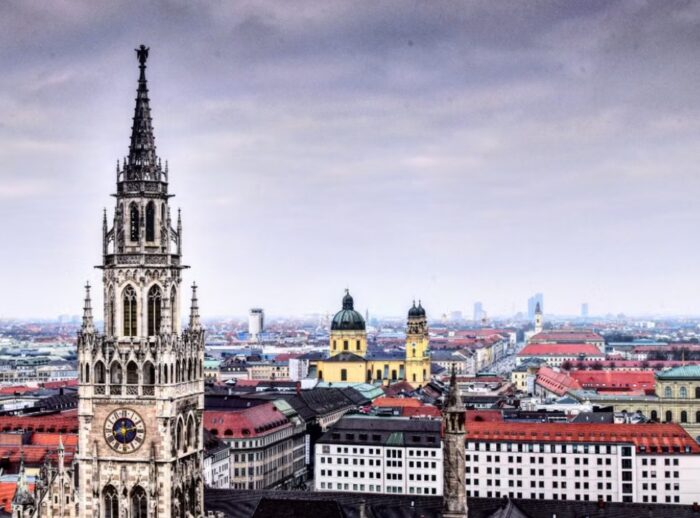
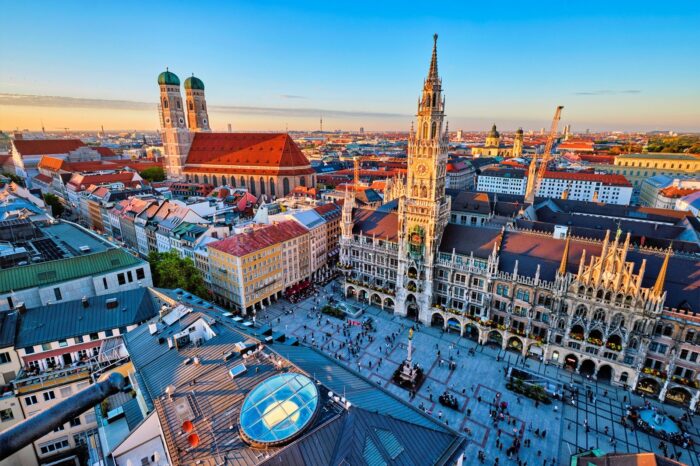
Each city offers something different. Munich is known for its traditional Bavarian atmosphere, historic architecture, and nearby Alpine scenery. Berlin attracts visitors with its history, art, and diverse cultural scene, while Hamburg is recognised for its harbour, music venues, and maritime character.
The best choice depends on personal interests, travel priorities, and available budget rather than price alone. Many travellers find that spending slightly more on accommodation can provide better access to attractions and reduce transport costs throughout the trip.
Comparing accommodation, seasonal demand, and planned activities before booking helps travellers maximise the value of their visit.
A well-planned itinerary makes any of these destinations enjoyable regardless of budget.
Conclusion
Munich is generally more expensive than Berlin and, in many cases, slightly more costly than Hamburg, particularly for accommodation and dining in central areas. However, all three cities offer options that suit a wide range of budgets.
By planning ahead, comparing prices, and choosing activities that match your interests, travellers can enjoy an unforgettable visit while keeping overall travel expenses under control.